
The Growth of Sports Competitions and Major Tournaments
The Growth of Sports Competitions and Major Tournaments
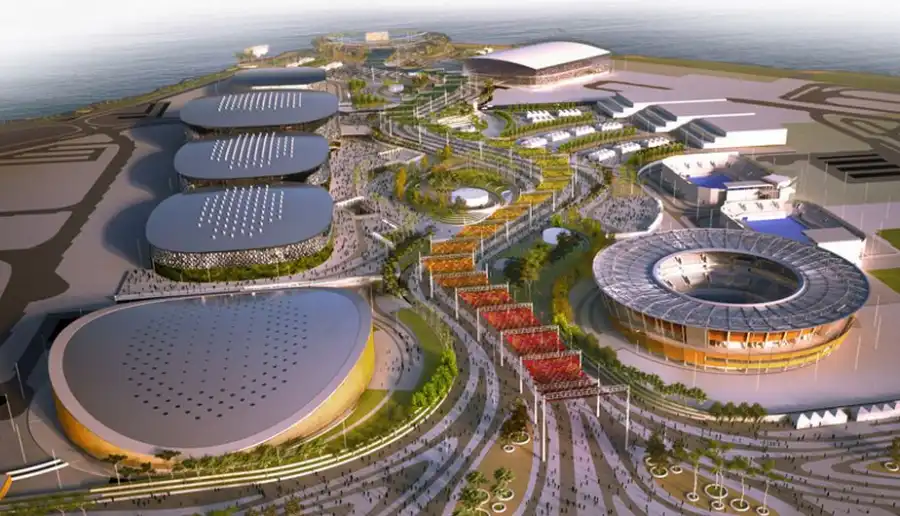
The first informal, community-based sporting events evolved to become large regional and global competitions. The growth of transportation options, along with formalized competition regulations, allowed the evolution of community-based competitions into global competitions that impact the cultural, economic, and national identity of societies worldwide. Nationally and internationally, competition has grown through the development of official and standardized regulations for each sport; the development of national and international governing bodies for each sport; and increasing media coverage of all competitions. The examples of community-based competitions show how local rivalry can develop into an international competition with a formal organizational structure and millions of spectators viewing the competitions.
Early Organization and the Structure of Modern Competitions
Formalized structures for sports events evolved with the development of governing bodies to set and enforce standardized rules; coordinate and create a calendar of matches and competitions; and establish governing bodies and their decision-making processes. The football associations of the late nineteenth century were among the first organizations to develop formalized rules and formats for competitions, which would foster increased international participation in such competitions.
As analytical coverage of competitions has developed through time, it has been further supported by the availability of statistics from online platforms used for betting (Turkish: iddaa siteleri). Fans use these platforms to compare data and forecasts relating to major tournaments and also utilize them to gain access to regulated odds, graphical representations of the past performances of teams, and other competitive aspects of teams and probabilities to better understand competitive balance and make more informed decisions. These developments have provided a basis for long-term strategic planning and consistency in competitive standards.
Core Structural Elements in Early Sports Competitions
Prior to international events currently held in the world of sports, early competitions were built upon a foundation of essential elements.
National governing bodies have common rule books
Calendars for either regular seasons or tournament schedules
Standardized procedures for resolving disputes as well as disciplining players
The presence of these components allowed for the establishment of the stability required for cross-border tournament growth. As participation continued to expand with time, organizers began to use the same calendar format, allowing for the organization of regional competitions to be more effective without duplicating prior governance models. The gradual formation of this unity established the basis for early intercontinental tournaments and ultimately, the modern-day global championships. Early regional competitions such as the Balkan Games and the British Home Championships illustrated how structured calendars can support multilateral participation. The success of these formats provided the precedent for future intercontinental tournaments, which formally organized competition between neighboring nations.
International Tournaments and Global Fan Growth
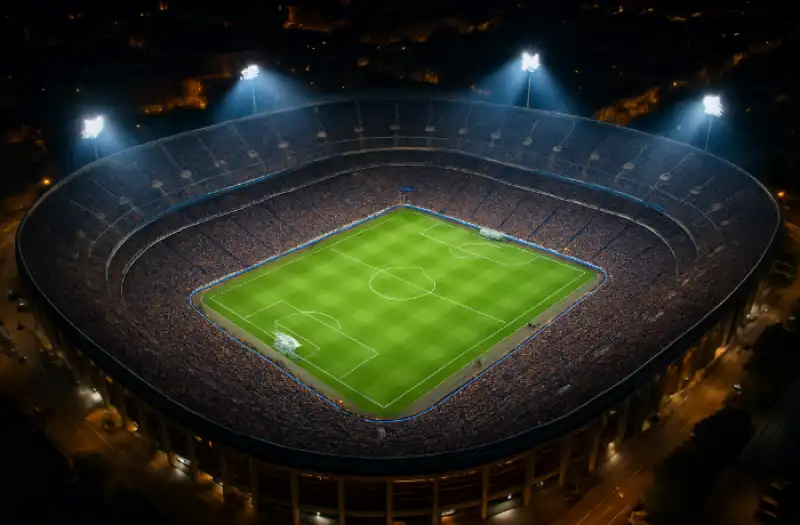
International tournaments gained visibility through radio, early television, and improved travel access. Events like the FIFA World Cup, Olympic Games, and Rugby World Cup brought nations together in shared competitive settings. Digital communities later amplified match coverage, using real‑time data to track momentum and prediction trends. These shifts appear clearly on platforms where MelBet Instagram Turkey (Turkish: MelBet Instagram Türkiye) joined discussions that also referenced regulated sports betting insights to interpret match flow. These interactions created a more informed and engaged global fan environment.
Qualification systems evolved as tournaments expanded, adding transparency and creating performance-based paths to international stages. Continental zones were introduced to ensure balanced representation. Playoff structures and ranking procedures helped newer nations gain access to major competitions.
Common Qualification Pathways in Major Tournaments
Qualification frameworks use multiple steps to create a structured entry into global events.
Continental qualifiers determining regional slots
Team seeding based on historical or ranking performance
Intercontinental playoffs for final positions
These systems improved competitive fairness and opened opportunities for emerging teams. Growing participation pushed federations to refine long‑term development strategies, strengthening national programs through structured training and international exposure. This deeper talent pool strengthened the overall quality of international tournaments. As rankings became more sophisticated, governing bodies introduced coefficient systems—such as UEFA’s ranking model—to allocate tournament slots based on past performance. This increased transparency and rewarded nations that developed strong competitive programs.
Economic Expansion and Global Broadcasting Deals
When sports competition began to expand economically through television broadcasting, it was at this time that tournaments were able to be sold internationally as a product. Federations received continuous income from television contracts signed by their media partners in the late 1980s and early 1990s, and television broadcasts allowed for an expansion of audience viewership into millions of homes. It did not take long before sponsorships also became a part of the way events are conducted globally, and they helped increase financial stability.
Media partners entered into long-term agreements with the federation, and these agreements were used to fund improvements to the event facilities and improve the logistics of the tournament. To determine how economic models of tournaments have changed over time, reviewing financial data of various events provides the opportunity to compare changes in the manner in which revenue has developed. As can be seen in the following chart, significant developments occurred regarding the financial development of major events.
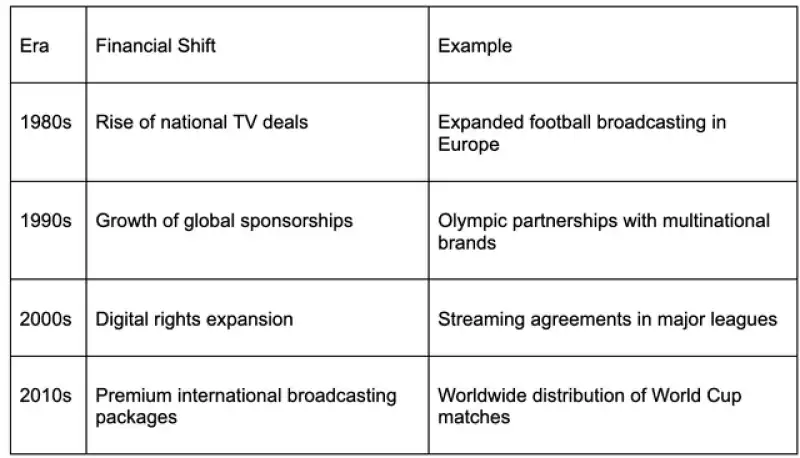
Federations used these resources to refine officiating, enhance training programs, and support grassroots development. The commercial rise of major tournaments demonstrated how broadcasting shaped competitive standards and expanded global reach.
Key Revenue Drivers in Major Tournaments
Sports competitions rely on several financial pillars for long-term stability.
Broadcasting rights across international markets
Sponsorship deals with global corporations
Ticketing revenue from large-capacity venues
These sources enabled tournaments to modernize and adapt to rising global expectations. Increased revenue allowed organizers to upgrade stadium technology, expand media services, and improve fan accessibility. As a result, major competitions became more polished, consistent, and internationally marketable. Major events also diversified revenue by expanding hospitality programs, including VIP zones and corporate packages that generated significant non‑broadcast income. These additions strengthened financial security and supported long‑term planning for future tournaments.
Technological Advances and Competitive Quality
Technology reshaped sports competitions by improving player performance, officiating accuracy, and fan engagement. Video review systems enhanced decision-making in football, rugby, and tennis. Wearable sensors provided coaches with real-time performance data that refined tactical planning and injury prevention.
Digital analysis tools helped scouts evaluate talent across continents, increasing fairness and transparency. Centralized replay centers improved officiating consistency during major tournaments. These innovations raised competitive standards and created more reliable viewing experiences.
Advanced camera tracking systems, including optical and satellite‑assisted models, became standard at elite tournaments, offering precise movement data for analysts and coaches. These systems helped refine tactical decision‑making and elevated match intensity.
Global Expansion and Cultural Influence
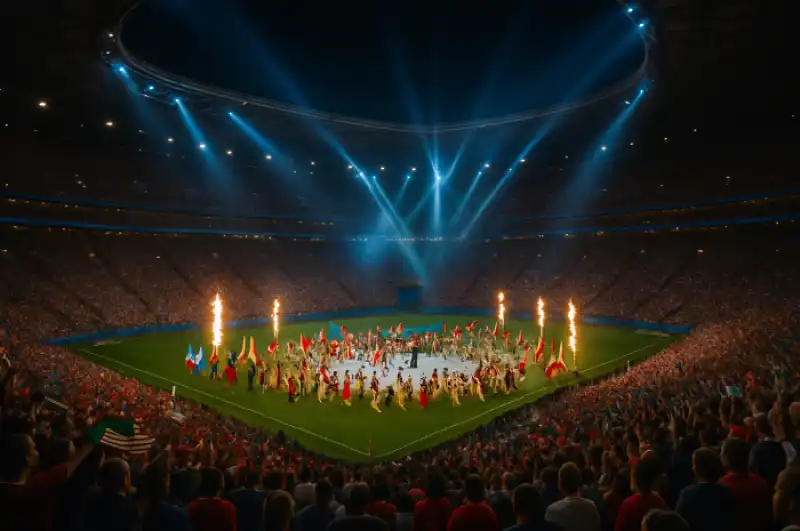
Big competitions in sports became global and attracted millions. Eventually, world-class tournaments became a place to display culture and a nation's identity. The nations that hosted these major events would display their new infrastructure and showcase their culture and pride. Fans would travel from different continents, and during these events, they would form temporary international communities.
Athlete mobility increased as players joined leagues across Europe, Asia, and the Americas. This movement expanded tactical diversity and enriched competition styles. Global tournaments produced new storylines that drew supporters from multiple regions into a unified competitive journey.
Cultural elements influence tournament dynamics through pre‑match rituals, supporter traditions, and symbolic displays. Long‑standing national rivalries influence stadium energy, while fan traditions and chants connect supporters to their heritage. Opening ceremonies highlight regional customs and help host nations present their cultural identity on a global stage. These elements transform tournaments into shared social celebrations that resonate far beyond the final score.
Future Directions in Global Competitions
The future of major tournaments will rely on sustainable development, improved youth systems, coordinated international governance, cross-border cooperation, and advanced digital integration. Growth will depend on environmentally responsible stadiums, travel efficiency, and long-term youth investment.
Automation in officiating and virtual fan engagement will be the next big move in the world of federations in the years to come. In the expanding formats of the ' ‘2026 FIFA World Cup’, we can see a good example of shared assets benefiting a tournament and a region for the better.
Athletic events will keep showing how custom and contemporary practices are interwoven to showcase global interconnectedness. The increasing frequency of global sports events demonstrates their adaptability and skill in integrating and harmonizing citizens from different parts of the world.
{{comment.anon_name ?? comment.full_name}}
{{timeAgo(comment.date_added)}}
{{comment.body}}
{{subComment.anon_name ?? subComment.full_name}}
{{timeAgo(subComment.date_added)}}
{{subComment.body}}