
Watching a movie today involves much more than sitting in front of a screen. Digital technology has changed how people discover films, interact with entertainment, and experience stories.
Audiences can now enjoy cinema with moving seats, realistic sound effects, expanded screens, and even opportunities to influence how certain stories develop.
These changes are closely connected to wider developments in the digital world. As people become familiar with interactive platforms, their expectations of movies are also changing. Cinemas and filmmakers are responding by introducing technologies that make viewing more engaging and memorable.
Digital Users Now Expect Greater Immersion
One of the most noticeable changes in digital entertainment is the growing interest in immersive experiences. Rather than simply watching content, many users prefer platforms that let them participate, make decisions, and interact with what is happening.
This is particularly visible among people who regularly use video games, streaming services, and interactive applications.
Virtual reality gaming provides a useful example. Instead of controlling a character through a traditional screen, players wear VR headsets that allow them to look around digital environments and interact with objects through physical movements.
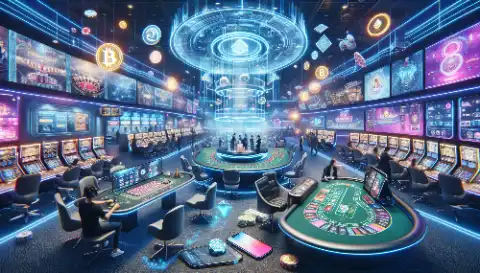
Similar preferences appear in newer, more specialized sectors, including online casino gaming. Although slot games remain a major category, many users prefer online live casino games because real dealers host the sessions through video streams. This creates an experience that more closely resembles visiting a physical casino, with real-time interaction adding to the appeal.
Movie theatres have responded to these changing expectations by improving how audiences experience pictures, sound, movement, and atmosphere.
Cinema Technology Is Changing How Movies Feel
Modern cinema technology increasingly focuses on creating physical sensations that support what audiences see on screen.
One clear example is 4DX, a cinema format that combines traditional film projection with synchronized environmental effects.
How 4DX Changes the Viewing Experience
Depending on the film, 4DX theatres can introduce several effects:
Moving seats: Chairs tilt, shake, or vibrate during action sequences.
Wind effects: Air movement can accompany storms, flying scenes, or fast vehicles.
Water effects: Light sprays or mist can accompany rain and ocean scenes.
Lighting effects: Flashes can emphasize lightning or explosions.
Environmental effects: Fog and selected scents can add another sensory element.
Consider a car chase in an action movie. In a standard theatre, viewers follow the sequence through images and sound. With 4DX, seat movement and vibrations can also respond to the action.
However, these features are not equally suitable for every production. A quiet drama may benefit more from clear dialogue and comfortable seating than physical movement.
The effectiveness of immersive cinema therefore depends on how appropriately the technology supports the film.
Larger Screens and Advanced Sound Create More Realistic Environments
Visual and audio improvements are equally important to modern movie experiences.
Premium cinema formats increasingly use advanced projection, wider viewing areas, and carefully positioned speakers to make scenes more convincing.
Wider Visual Experiences
ScreenX demonstrates how cinema screens are evolving. This technology expands selected scenes beyond the main screen onto the theatre's side walls, creating a 270-degree panoramic viewing experience.
These setups can be particularly effective for landscapes, aerial sequences, and large-scale action scenes.
Meanwhile, improved laser projection can deliver sharper details, stronger brightness, and more consistent picture quality.
Sound That Adds Depth to the Story
Audio technology has also developed considerably.
Dolby Atmos, for example, allows filmmakers to position sounds around the audience, including overhead, when supported by the theatre's speaker system.
A helicopter moving across the screen can be accompanied by sound that appears to travel through the auditorium.
These improvements matter because sound shapes how viewers understand space, movement, and emotional tension.
Importantly, effective audio does not always mean louder sound. Clear dialogue, accurate positioning, and controlled volume are often more useful than excessive intensity.
Interactive Storytelling Gives Audiences More Control
Another development involves changing the traditional relationship between viewers and film narratives.
Normally, directors determine the sequence of events, and every audience member watches the same version. Interactive storytelling experiments with allowing viewers to influence certain decisions.
The Example of Black Mirror: Bandersnatch
Netflix's 2018 interactive film Black Mirror: Bandersnatch demonstrated this approach.
At selected moments, viewers could choose between different actions, changing how the story progressed.
This introduced several possibilities:
Alternative story developments based on audience decisions.
Multiple outcomes within a single production.
Greater motivation to revisit a film and explore other choices.
Nevertheless, interactive storytelling also presents difficulties.
Producing several narrative paths requires additional writing, filming, editing, and technical support. Decisions can also interrupt the natural pace of a story.
Netflix later moved away from its original interactive-specials format, illustrating that audience participation does not automatically guarantee long-term success.
The lesson for filmmakers is that interaction works best when it serves the narrative rather than becoming an unnecessary feature.
Streaming Platforms Are Changing Viewing Habits
Streaming services have influenced cinema through convenience, accessibility, and personalized discovery.
Viewers can browse extensive libraries, receive recommendations, and continue watching across supported devices.
These functions have changed expectations about how easily entertainment should be available.
Why Personalization Matters
Recommendation systems analyze viewing activity and other signals to suggest potentially relevant content.
For example, someone who regularly watches science fiction may encounter recommendations for similar films or series.
Streaming also gives audiences practical controls that traditional cinema cannot offer, including:
Pausing and resuming movies.
Selecting subtitles or available audio languages.
Choosing when and where to watch.
Discovering productions from different countries.
These advantages have encouraged cinemas to focus more strongly on experiences that home viewing cannot easily reproduce.
Large-format projection, premium audio, and shared audience reactions are important parts of that distinction.
Virtual Reality and Artificial Intelligence Offer New Possibilities
Emerging technologies could influence both movie production and audience experiences.
Virtual reality lets creators build environments viewers can explore from different perspectives.
Unlike traditional films, where camera placement determines what everyone sees, VR experiences may allow individuals to choose where to look.
Artificial intelligence is also becoming relevant to filmmaking.
Practical Applications in Film Production
AI-supported tools can assist with tasks such as:
Organizing and searching large amounts of footage.
Supporting selected visual effects and background production.
Improving certain editing and audio workflows.
Creating subtitles and assisting with translation.
These applications may reduce repetitive work, but they also raise questions about creative control, copyright, and how performers are treated.
Human judgment remains essential for storytelling, acting, directing, and deciding whether technology improves the final result.
What These Changes Mean for the Future of Cinema
Interactive digital trends are expanding the choices available to movie audiences. Some viewers prefer traditional screenings, while others enjoy premium formats with physical effects, expanded visuals, or advanced sound.
The film industry's main challenge is balancing innovation with accessibility, comfort, and storytelling quality.
New equipment can increase ticket prices, while motion effects and intense lighting may not suit every viewer. Cinemas must therefore consider different audience needs rather than treating technological complexity as an automatic improvement.
Ultimately, successful movie experiences depend on more than technical features. Strong performances, meaningful stories, and skilled production remain central to cinema.
Digital innovation is most valuable when it strengthens those qualities and gives audiences additional ways to enjoy films without replacing what makes movies worth watching.