The economies of developed countries have shifted away from measurement based on physical resources and land area. Digital infrastructure is becoming an important factor in a country's economic competitiveness. For developing and strategic countries like Djibouti, switching to digital economies is critical for full economic integration. Digital economies allow developing countries to accelerate their economic growth and bypass the consequences of late industrialization. The international integration enabled by the digital economy allows people to work and engage in commercial and social activities from anywhere in the world. Innovation enabled by digital economies allows people to engage in virtual and entertaining activities in the absence of physical social interaction. Digital economies empower people to transform previously unproductive time into social and economic activities.
Of all social and economic activities enabled by a digital economy, online betting is the fastest growing. Improved internet connectivity in urban areas allows people to engage in online activities they previously could only do in person. Online betting has disrupted traditional sports betting. Because of improved internet connectivity and digital economies, people can engage in virtual and entertaining social activities from the comfort of their homes. To engage in online sports betting and casino games, people download mobile applications. One of the most popular applications is the Melbet APK. This application provides users with secure and easy access to international sports betting and casino activities. The digital economy and digital online betting are complementary and require a reliable digital and telecommunication infrastructure.
Accelerating the Tech-Driven Economy in Djibouti

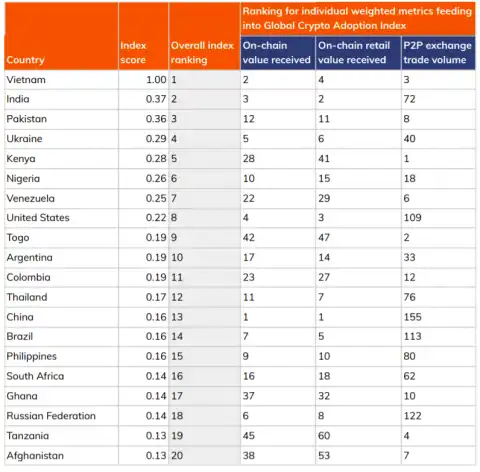
The location of Djibouti means that many subsea telecom cables for Africa, Europe, and Asia cross through it. Telecom hubs create opportunities for other types of connectivity. Financial trading and cryptocurrency exchanges are two examples. For people to be able to trade in world financial markets used to require that they work for financial institutions. Now people can trade from almost anywhere using the Internet. Cryptocurrencies and other digital assets can be traded 24/7, and people can do trades in split seconds. Cryptocurrency markets operate around the clock, while traditional stock exchanges follow scheduled trading hours. The youth can trade for themselves and not need to work for financial institutions. Electronic trading illustrates that anyone can participate in world financial markets.
Reliable connections matter when people depend on online services for work, payments and entertainment. Whether a user is trading volatile altcoins, streaming cinematic films, or participating in a high-stakes poker tournament, connection stability is non-negotiable. In the fast-paced world of online gambling, where live odds fluctuate by the millisecond based on real-time athletic performances, a dropped connection can result in significant financial losses. A Melbet log in requires reliable account authentication, while stable connectivity helps users access mobile betting features where these services are permitted.
The Rise of Esports and Computer Games
Rapid developments in high-capacity data transmissions have played a significant role in the expansion of competitive computer gaming in developing countries. What was once an obscure activity has become an international sport and entertainment phenomenon. Transcontinental youth gaming has turned armchair gamers into bona fide professional athletes. Esports is very likely to surpass traditional sporting events in ticket sales and television audiences.
Users in developing countries are adopting the latest technology at an unprecedented rate in order to excel in competitive esports and digital finance. This includes:
Custom Gaming Rigs: Powerful computers that assist in accomplishing tasks such as algorithmic trading and enable users to experience cinema-quality digital entertainment without frame loss.
Biometric Smart Devices: Protect mobile financial services and remote gambling applications by integrating biometric security into mobile devices.
Digital Quality of Service (QoS): Select Wi-Fi routers are configured to ensure gaming and esports traffic is prioritized to further reduce input latency.
Power Quality (PQ): Backup power supplies ensure that trades and bets are not automatically canceled due to power failure.
The Convergence of AI, Crypto, and Digital Gambling

The greater the broadband and the faster the digital foundation, the faster and more highly sophisticated software like AI can be deployed. AI is already transforming many industries and will increasingly change how organizations engage their customers. Already, intelligent software is able to integrate and analyze huge amounts of data about a user and create and provide customized content.
Within the gambling industry, algorithms can examine a user’s betting history and preferences to recommend promotional offers and encourage greater engagement. Beyond this, predictive AI can synthesize massive datasets, like weather and player injury reports, to inform players about potential edges and opportunities to gain an advantage in the sports betting marketplace.
Transforming Entertainment: From Cinematic Films to Virtual Casinos
Incorporating elements of cinematic storytelling into software design is becoming popular in the digital entertainment industry. Developing roulette wheels is no longer the focus of software developers. Instead, they incorporate scenes from narrative films to create a sense of drama and suspense. AI projection technology and high-definition graphics give digital first-person actors the ability to portray a variety of characters and place players in a simulated theatrical production. However, to effectively convey the drama, the digital first-person actors must be integrated with a high-speed Internet connection. Without a sufficient digital backbone, players would lose immersive experience and first-hand interaction with digital actors.
Fiber-optic cables not only positively impact traditional industries but also enhance several verticals within the international online gaming and casino industries, including:
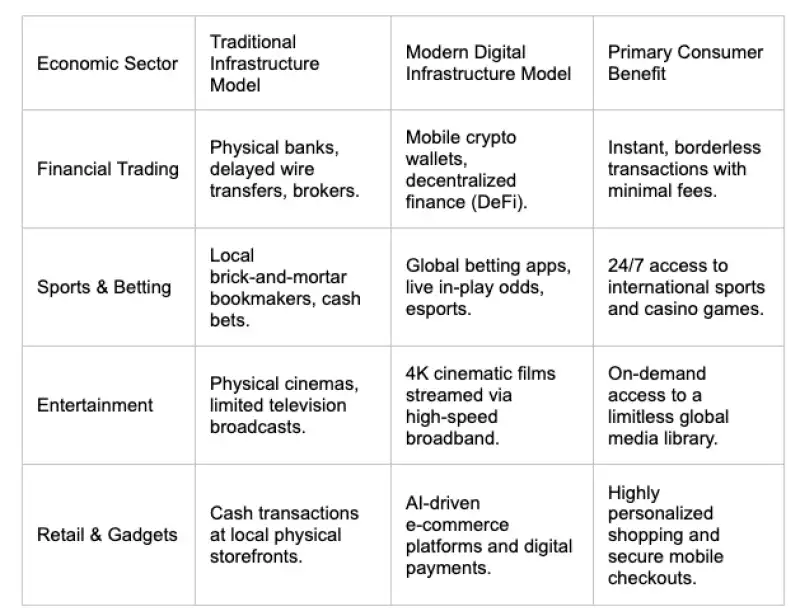
Instantaneous In-play Betting: Allows sportsbooks to instantaneously update in-play betting odds.
Ultra-real-time Gaming: Delivers real-time video streaming of professional dealers located in offsite studios.
Absolute Server-side Control: Enables digital slot games to relay real-time server-side RNG to players.
Transportive Virtual Reality: Facilitates virtual first-person travel to truly multidimensional virtual environments.
Decentralized Finance (Crypto) and Global Trading
Entertainment and finance intersect with crypto and blockchain. In underdeveloped financial markets with unstable or malicious banks, blockchain technology provides financial services with more efficiency and transparency. Decentralised financial services can support cross-border transfers, but transaction costs, processing times and regulatory protections vary considerably.
With decentralized finance, users can store and grow their wealth outside of banking systems and outpace local fiat currency inflation. The intersection of blockchain technology and online gambling gave rise to crypto casinos. Crypto-casinos offer fast and easy deposits and withdrawals. Cryptocurrency transfers may operate without traditional banking intermediaries, although confirmation times and withdrawal procedures depend on the network and platform.
Future-Proofing the Local Economy
Retail, finance and entertainment increasingly depend on shared digital infrastructure. Reliable broadband and data centres help businesses deliver these services at scale. Emerging markets are wisely following the example of developed nations and building out high-speed digital networks and data centers to support new broadband services.
The digital divide is rapidly closing, and a modern digital communications infrastructure is essential for nations to participate in and benefit from the global economy.
The development of artificial intelligence and the changing nature of work means that there is a strong case to be made that digital divides are just as important as physical divides. Only by closing the digital divide can less-developed nations generate the digital and economic dividends needed to thrive in the global economy. Digital payment terminals and shared internet access points can help smaller businesses serve customers who lack reliable home connectivity. Digital networks can also provide vastly improved access to education and entertainment.